Cold Plunge Temperature & Time Guide 2026: How Cold, How Long & How Often
In this guide
The two questions every new cold plunge practitioner asks are how cold and how long. The answers matter — too warm and you get little physiological benefit, too cold too fast and you risk cold shock, too short and you miss the adaptation window, too long and you are just suffering for no additional gain. This guide covers the evidence-based answers to every temperature and timing question in one place.
What temperature should a cold plunge be?
The optimal cold plunge temperature for most people is 50–59°F (10–15°C). This is the range most consistently associated with measurable benefits in the research literature and the range used in the protocols most frequently cited by practitioners and researchers including Andrew Huberman’s widely shared cold exposure protocol.
Temperature ranges explained
| Temperature range | Level | Best for | Notes |
|---|---|---|---|
| 60–68°F (15–20°C) | Entry level | Beginners, first 2–4 weeks | Still cold enough to produce a norepinephrine response. Build tolerance here. |
| 50–59°F (10–15°C) | Standard | Most practitioners, recovery, mood | The research sweet spot. Maximises benefits without excessive cold shock risk. |
| 45–50°F (7–10°C) | Advanced | Experienced users, BAT activation | Requires acclimatisation. Meaningful increase in cold shock risk if unprepared. |
| 39–45°F (4–7°C) | Extreme | Highly experienced only | Not recommended for beginners. All Vevor chillers reach 39°F if needed. |
Why 50–59°F is the standard recommendation
The physiological triggers you are chasing — vasoconstriction, norepinephrine release, brown adipose tissue activation, reduced inflammation — all activate meaningfully within this range. Going colder produces a stronger initial response but also increases cold shock risk and does not appear to produce proportionally better outcomes for most people. Holding 50–59°F consistently and doing it regularly is more effective than occasionally hitting 40°F.
The role of a water chiller
Hitting and maintaining 50–59°F requires active refrigeration in most US home environments. Tap water is typically 55–70°F, which means it is either at or above your target and warming further with ambient heat and body heat from previous sessions. A water chiller sets the temperature and holds it — so every session starts exactly where you want it. See our sizing guide to match a chiller to your tub volume.
How long should you cold plunge?
The most widely cited protocol recommends a total of 11 minutes per week of cold exposure, spread across multiple sessions. This is the figure associated with the full suite of benefits in the research cited by Huberman Lab and others. In practice that means:
- 3–4 sessions per week of 2–3 minutes each, or
- 2 sessions per week of 5–6 minutes each
Neither is strictly superior — frequency and total weekly exposure both matter.
Duration by temperature
| Water temperature | Recommended duration | Notes |
|---|---|---|
| 60–68°F | 5–10 minutes | Longer sessions needed at warmer temperatures to accumulate similar stimulus |
| 50–59°F | 2–5 minutes | The standard range. 2–3 minutes produces most of the measurable response. |
| 45–50°F | 1–3 minutes | Stimulus is intense. Longer sessions not needed and increase risk. |
| 39–45°F | 30 seconds–2 minutes | Extreme cold. Short exposures only for experienced practitioners. |
The diminishing returns curve
Most of the physiological response from a cold plunge happens in the first 2–3 minutes. After that point norepinephrine has already spiked, vasoconstriction is maximised, and continuing primarily adds discomfort without proportionally more benefit. This is why the protocols that have the best evidence base are relatively short — 2–5 minutes at 50–59°F — not extended suffering sessions of 20–30 minutes.
How often should you cold plunge?
The research-supported minimum for meaningful benefit is 3 sessions per week, with daily practice common among serious practitioners and athletes. There is no evidence of harm from daily cold plunge in healthy adults.
Frequency recommendations by goal
- General wellbeing and mood: 3–4 sessions per week. This produces measurable norepinephrine and dopamine effects that users typically describe as improved mood, alertness, and resilience.
- Athletic recovery: Daily or after every training session. Cold exposure is most effective for recovery when used within a few hours of exercise that produced significant muscle damage.
- Brown adipose tissue activation: Daily cold exposure for several weeks is associated with measurable BAT development. The adaptation requires consistent stimulus over time.
- Sleep improvement: Evening cold plunge (2–3 hours before bed) may improve sleep onset and quality for some people through the subsequent rebound warming effect.
Cold plunge before or after workout?
This is one of the most debated questions in cold plunge practice and the answer depends on what you are training for.
After workout — for recovery
Cold water immersion after exercise reduces DOMS (delayed onset muscle soreness) and perceived fatigue. For endurance athletes, team sport players, and anyone whose primary goal is to recover faster and train again sooner, cold plunge after training is well-supported. The anti-inflammatory effect is the mechanism — cold reduces the acute inflammation that causes soreness over 24–48 hours.
The muscle growth caveat
Several studies have found that cold water immersion immediately after resistance training may blunt muscle hypertrophy signals — specifically by reducing the inflammatory response that partially drives muscle protein synthesis. If maximising muscle growth is your primary training goal, delay cold plunge by at least 4–6 hours after strength training, or do it before rather than after.
Before workout
Cold plunge before training produces heightened alertness, focus, and a norepinephrine boost that some athletes find beneficial for performance. It does not appear to impair performance and may enhance it for cognitive-demand sports. The evidence is less robust than the post-exercise recovery literature but the user experience is consistently reported as positive.
Practical recommendation
For most people: cold plunge after training for recovery. If you lift weights and care about muscle growth: cold plunge in the morning, lift in the afternoon, wait 4–6 hours. For contrast therapy with sauna: see our full contrast therapy guide.
Best time of day for cold plunge
Time of day affects the experience and potentially the benefits:
- Morning: The most popular time. The norepinephrine and adrenaline response produces strong alertness that carries through the morning. Replaces or enhances coffee for many practitioners. Also avoids the muscle-growth blunting issue since training typically happens later.
- Post-workout: Ideal for recovery-focused use. Best within 1–2 hours of training completion.
- Evening (2–3 hours before bed): Some practitioners report improved sleep from the rebound warming effect after cold plunge. Avoid immediately before bed as the alerting effect may delay sleep onset.
Temperature and time recommendations by goal
| Goal | Temperature | Duration | Frequency | Best time |
|---|---|---|---|---|
| Muscle recovery | 50–59°F | 10–15 min | After each session | Post-workout |
| Mood & focus | 50–59°F | 2–5 min | Daily or 4–5x/week | Morning |
| BAT activation | 45–55°F | 2–4 min | Daily | Any |
| Sleep improvement | 55–65°F | 5–10 min | 3–5x/week | Evening |
| Contrast therapy | 50–59°F | 2–5 min/round | 3–7x/week | Any |
Maintaining your target temperature
The biggest practical challenge in cold plunge practice is consistently hitting and holding your target temperature. Here is the reality for each approach:
Tap water
US tap water is typically 55–70°F depending on region and season. In winter in a cold climate, tap water alone may hit your target. In summer it almost certainly will not. Completely uncontrolled.
Ice
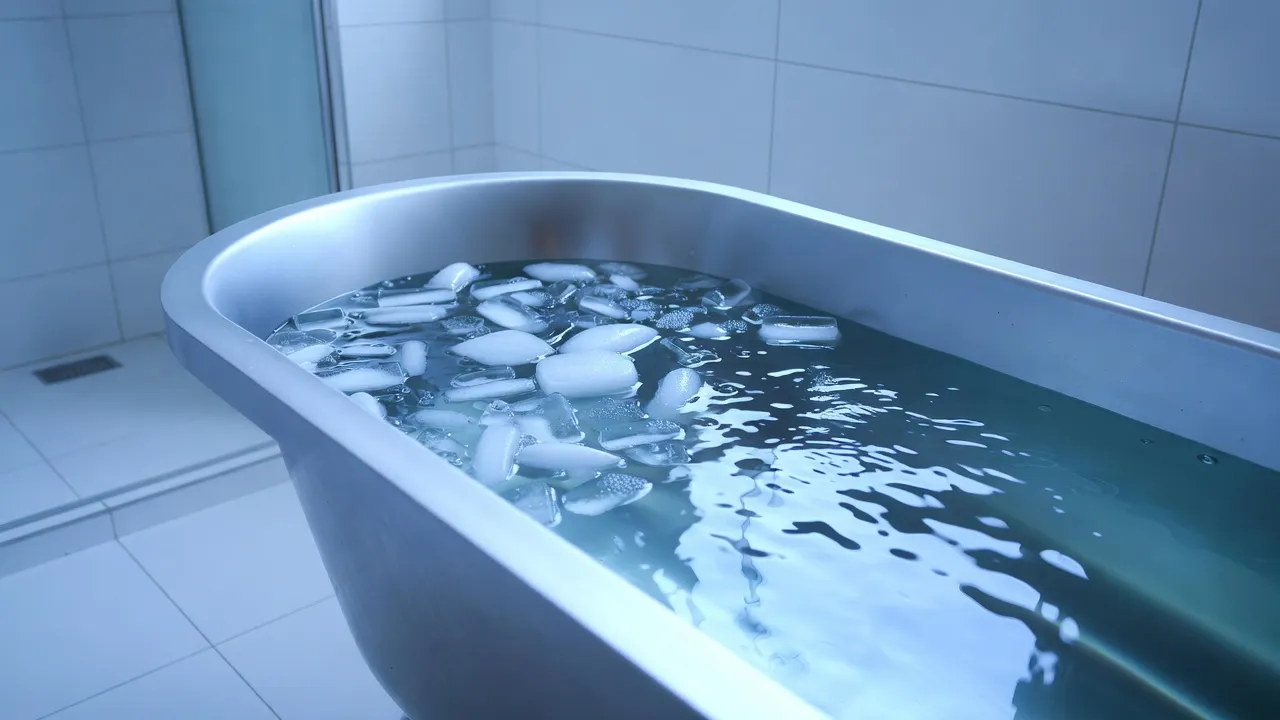
Reaches target temperature but warms throughout your session. A 60-gallon tub at 55°F will warm to 60–65°F by the end of a 10-minute session in a warm room. Inconsistent and expensive at daily frequency. Not a long-term solution.
Water chiller
The only approach that maintains precise temperature throughout the session and between sessions. Set 55°F and it holds 55°F regardless of ambient temperature, body heat load, or time of day. For consistent daily practice this is the only reliable solution.
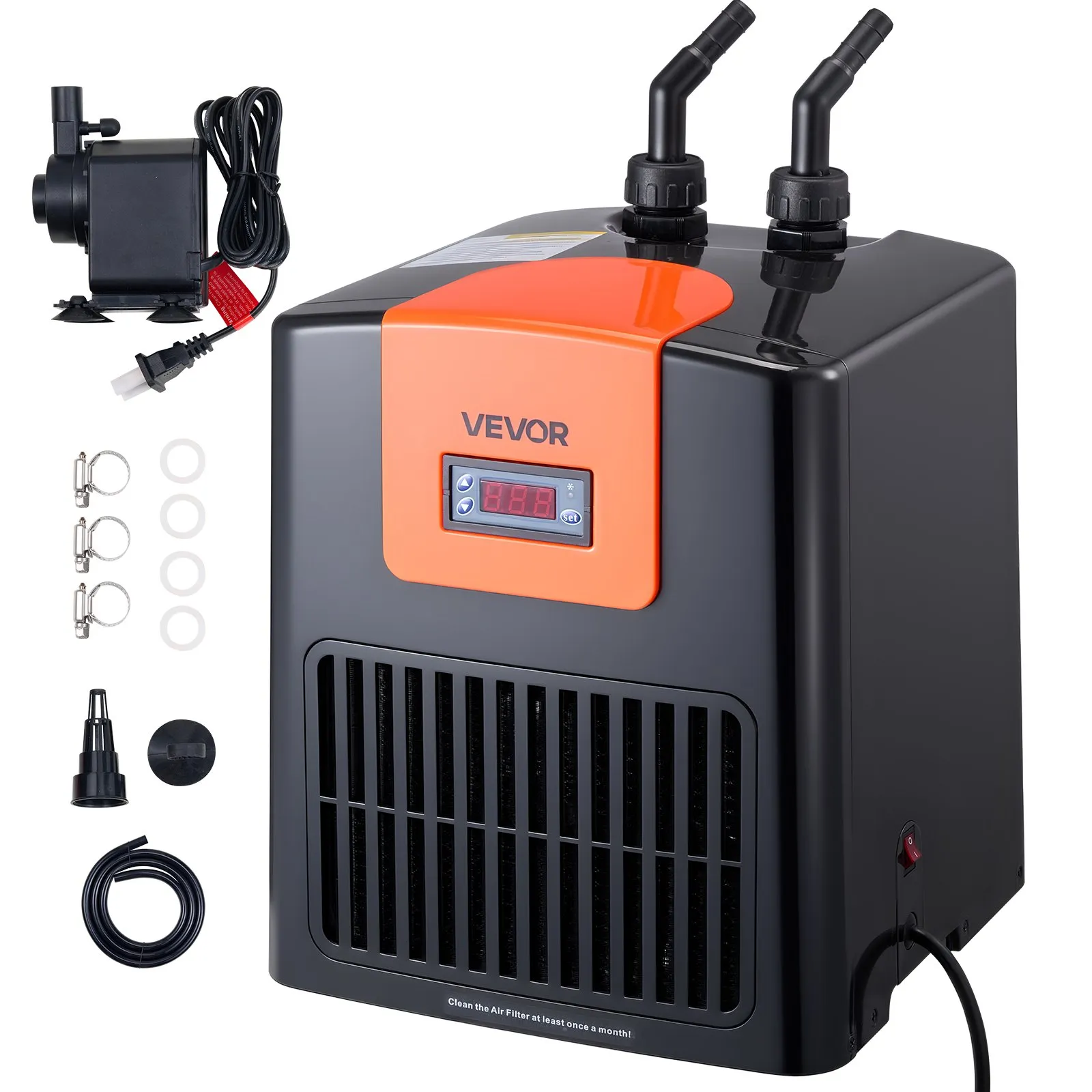
For tubs up to 52 gallons. Holds any target temperature from 39–68°F continuously. Best for indoor setups in moderate climates.
View on Vevor →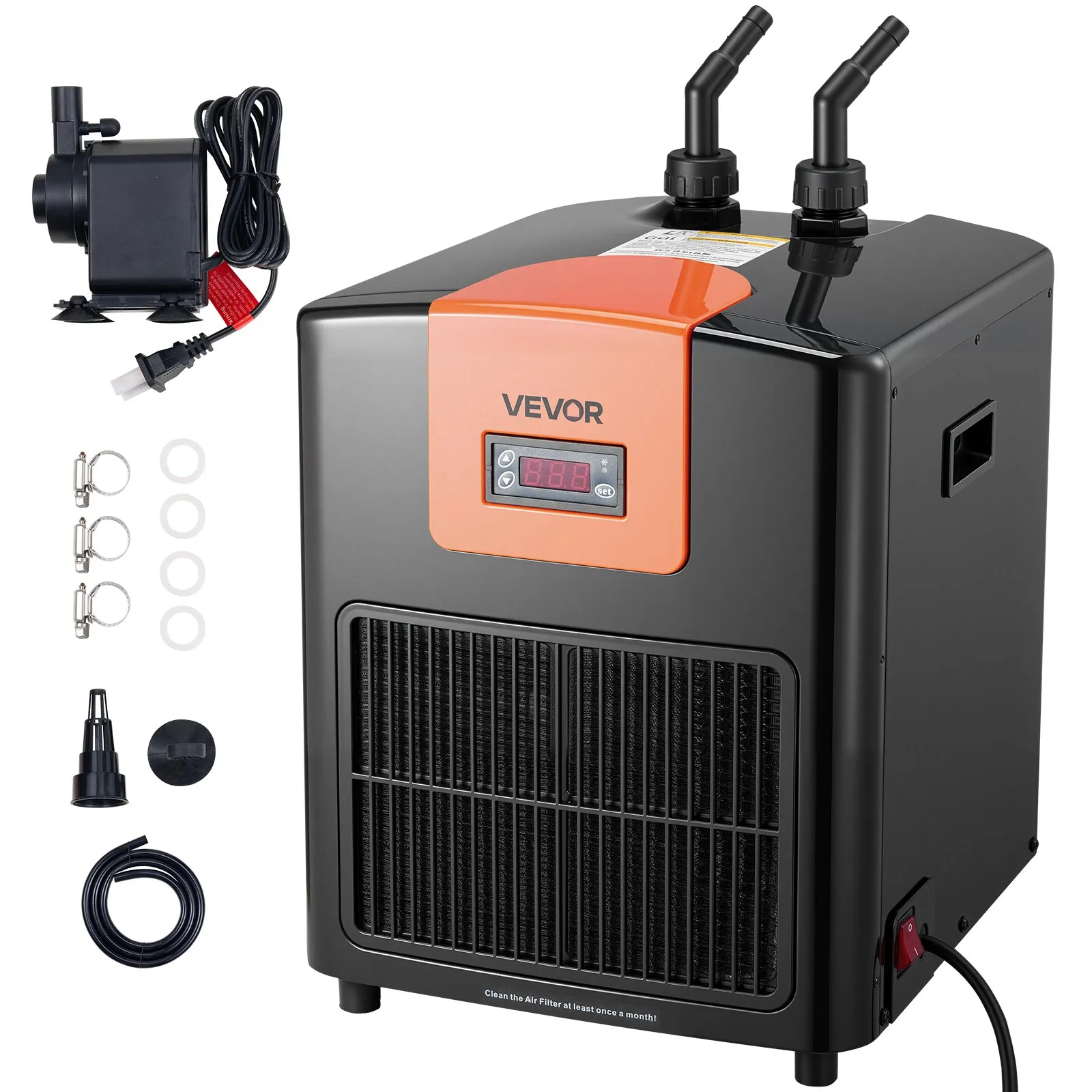
For tubs up to 110 gallons. Best choice for daily practitioners — faster recovery between sessions and reliable performance in warm rooms up to 80°F.
View on Vevor →FAQs
What is the ideal cold plunge temperature?
50–59°F (10–15°C) is the research-supported ideal for most people. Beginners should start at the warmer end (56–59°F) and work down over several weeks as tolerance builds.
How long should you stay in a cold plunge?
2–5 minutes at 50–59°F is the evidence-supported range for most goals. Most of the physiological response happens in the first 2–3 minutes. Longer is not proportionally more beneficial and at very cold temperatures increases risk.
How often should you cold plunge?
The researched minimum for meaningful benefit is around 11 minutes total per week spread across multiple sessions — so 3–4 sessions per week of 2–3 minutes each. Daily practice is common and appears safe for healthy adults.
Is it better to cold plunge in the morning or evening?
Morning is the most popular and produces the strongest alerting effect that carries through the day. Evening cold plunge 2–3 hours before bed may improve sleep for some people but should be avoided immediately before bed due to the stimulating norepinephrine response.
Should I cold plunge before or after a workout?
After workout for recovery. Before workout if you want the alerting effect for performance. If muscle growth is your primary goal, delay cold plunge by 4–6 hours after strength training to avoid potentially blunting hypertrophy signals.
What temperature is too cold for a cold plunge?
There is no universal answer — it depends on your experience and acclimatisation. Below 45°F (7°C) is considered advanced and carries higher cold shock risk, particularly for beginners. Below 39°F (4°C) is ice water and not recommended for immersion use. All Vevor chillers have a minimum of 39°F which is the practical floor for home cold plunge use.
How do I maintain 50°F in my cold plunge?
You need a dedicated water chiller. Ice cools temporarily but warms throughout the session and is expensive for daily use. A Vevor aquarium chiller connected to your tub maintains any target temperature continuously with no management between sessions. See our Vevor cold plunge guide for setup details.
Does water temperature matter for cold plunge benefits?
Yes — temperature determines the intensity of the physiological response. Water above 65°F produces minimal cold shock or vasoconstriction. Water at 50–59°F produces the full suite of responses associated with the published benefits. The specific temperature within the 50–59°F range matters less than being consistent — do it regularly at a temperature that challenges you without causing panic.
Wondering whether to plunge when you feel under the weather? See: can you cold plunge when sick? →