Sauna and Cold Plunge: The Complete Contrast Therapy Guide (2026)
In this guide
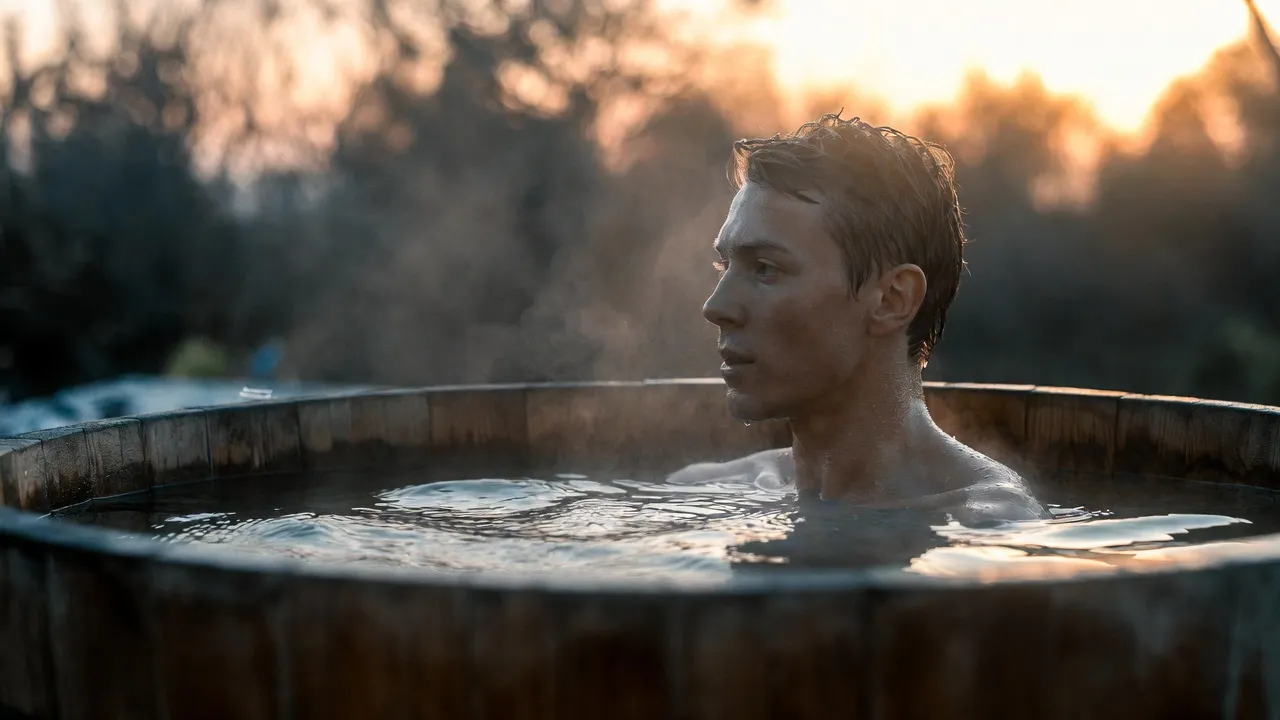
Contrast therapy — alternating between heat and cold exposure — has been practised for centuries in Scandinavian, Finnish, and Japanese bathing cultures. In recent years it has moved into mainstream wellness as research has caught up with tradition. The combination of sauna and cold plunge is now used widely by athletes for recovery, by biohackers for adaptation, and by everyday people for stress management and mood.
This guide covers everything you need to know about combining sauna and cold plunge at home: the evidence behind the practice, the optimal protocol, whether to go hot or cold first, and how to set up a system that actually works. If you already have a sauna and just need the cold side sorted, jump to why you need a chiller.
What is contrast therapy?
Contrast therapy is the deliberate alternation between hot and cold environments to drive physiological adaptations. In practice this means moving between a sauna (or hot tub) and a cold plunge (or ice bath) in repeated cycles. The temperature differential between the two extremes — typically 170–200°F in a sauna and 50–59°F in a cold plunge — creates a cardiovascular and hormonal response greater than either stimulus alone.
The practice goes by several names depending on the tradition: the Nordic cycle, hot-cold therapy, fire and ice, contrast bathing. The mechanics are the same regardless of the label. Heat causes vasodilation — blood vessels expand and blood flow increases. Cold causes vasoconstriction — vessels contract and blood is pushed back to the core. Alternating rapidly between the two creates a pumping effect sometimes called a “vascular workout.”
The benefits — what the research actually says
Contrast therapy is better researched than most wellness practices, though the evidence is still evolving. Here is an honest summary of what is and is not supported:
Athletic recovery — strong evidence
This is where contrast therapy has the most solid backing. Multiple randomised controlled trials have found that contrast water therapy reduces delayed onset muscle soreness (DOMS) compared to passive rest and is comparable to cold water immersion alone for acute recovery. A 2022 meta-analysis in the British Journal of Sports Medicine found meaningful reductions in muscle soreness at 24 and 48 hours post-exercise. If you train regularly, the recovery benefit is real.
Mood and mental clarity — good evidence
Cold exposure triggers a significant norepinephrine release — a neurotransmitter associated with focus, alertness, and mood. Studies have recorded increases of 200–300% in norepinephrine following cold water immersion. Heat exposure independently produces beta-endorphin release. The combination produces a notable shift in how people feel post-session that is reported consistently across user populations.
Cardiovascular health — emerging evidence
Regular sauna use has good evidence linking it to reduced cardiovascular risk — notably Finnish population studies showing dose-dependent reductions in cardiac events with sauna frequency. The evidence for adding cold exposure on top of sauna for cardiovascular benefit is less established but mechanistically plausible given the vascular training effect.
Fat loss and metabolic effects — limited evidence
Cold exposure activates brown adipose tissue (BAT) which generates heat by burning calories. This is real but the magnitude is modest — a typical cold plunge session burns an additional 100–200 calories at most. Don’t use contrast therapy as a weight loss strategy; use it for recovery and mood, and consider any metabolic benefit a bonus.
Immune function — preliminary evidence
Regular cold exposure has been linked to increased white blood cell counts in some studies. The mechanisms are plausible but the clinical significance is unclear. The popular claim that cold plunges prevent illness is overstated based on current evidence.
How to do it: temperature, timing, and sequence
There is no single universally agreed protocol, but the following framework is drawn from the best-evidenced approaches and widely used by athletes and wellness practitioners:
Temperature targets
- Sauna: 150–195°F (65–90°C). Traditional Finnish saunas run hotter; infrared saunas typically reach 120–150°F. Either works.
- Cold plunge: 50–59°F (10–15°C) for most people. Advanced users target 45–50°F. Beginners can start at 55–60°F.
- Temperature differential: Bigger is more stimulating but also harder to tolerate. Start with a more moderate cold plunge temperature and work down over weeks.
Timing per session
- Sauna rounds: 10–20 minutes per round depending on temperature and tolerance
- Cold plunge rounds: 2–5 minutes per round. Research suggests 2–3 minutes is sufficient for the primary physiological response at 55°F
- Transition time: Move between hot and cold within 1–2 minutes for maximum vascular response
- Total cycles: 2–4 rounds of hot/cold is typical. More is not necessarily better
Beginner protocol
- Sauna 10 minutes at 150–160°F
- Cold plunge 2 minutes at 58–60°F
- Rest 5 minutes
- Repeat 2 times total
- End on cold for recovery, or warm if relaxation is the goal
Intermediate/advanced protocol
- Sauna 15–20 minutes at 175–195°F
- Cold plunge 3–5 minutes at 50–55°F
- Rest 3–5 minutes
- Repeat 3–4 times
- End on cold for performance focus, warm for relaxation
Sauna first or cold plunge first?
This is one of the most searched questions about contrast therapy and the honest answer is: it depends on your goal.
Sauna first — the standard approach
Starting with heat is the traditional Scandinavian and Finnish protocol. The sauna opens pores, raises core temperature, and induces significant sweating. The subsequent cold plunge produces maximum vasoconstriction contrast, a strong norepinephrine hit, and what most users describe as the most exhilarating sensation of the practice. End on cold for an energising, alert finish.
Cold plunge first
Less common but useful for specific purposes. Starting cold allows you to use the sauna as a warming-up phase, which some people find more comfortable as an introduction to the practice. Some athletes cold plunge immediately post-training before sauna to address acute inflammation, then use heat for deeper recovery. There is limited evidence that cold immediately post-exercise may blunt some training adaptations (hypertrophy), so those prioritising muscle building may want to delay cold exposure by several hours after strength training.
The practical recommendation
For most people: sauna first, cold second, repeat. End on cold if you want energy and focus for the day ahead. End on warm if you are doing a pre-sleep session and want to come down gently.
Setting up a home contrast therapy system
A home contrast therapy setup requires two things: a heat source and a cold source. The heat side is well-served by the infrared sauna market — a quality two-person infrared sauna costs $1,500–$4,000. The cold side is where most people struggle.
The cold side problem
Maintaining water at 50–59°F consistently requires active refrigeration. The alternatives — ice bags, frozen water bottles, cold tap water — all fail the same way: they provide temporary cold that warms rapidly, require constant intervention, and cannot maintain target temperature through multiple daily sessions. For a serious contrast therapy practice, these are not workable long-term.
A dedicated water chiller is the solution. Connected to any insulated tub — a stock tank, a barrel plunge, a chest freezer conversion — a chiller maintains your target temperature continuously without any management between sessions. Fill the tub, set the temperature, and it is ready whenever you are.
Space and logistics
The simplest home setup puts the cold plunge tub adjacent to the sauna with the chiller nearby. The transition between the two should take under 2 minutes — longer transitions reduce the vascular response. If your sauna is indoors and your cold plunge is outdoors, or vice versa, factor the walk time into your protocol planning.
Why you need a chiller for serious contrast therapy
If you are doing contrast therapy once a week, ice bags can work. If you are doing it daily — which most serious practitioners do — a chiller is not optional. Here is the practical reality:
- Ice cost: A 10–pound bag of ice costs $2–$4. Keeping a 60–gallon tub at 55°F requires 30–50 pounds of ice per session in warm conditions. Daily use adds up to $40–$100 per week in ice costs. A Vevor chiller at $283–$389 pays for itself in 4–10 weeks.
- Temperature consistency: Ice-cooled water warms throughout your session. Chiller-maintained water stays at your set point. Consistent temperature means consistent protocol — important if you are tracking results.
- Convenience: No ice runs, no bags, no water changes every session. The tub is ready when you are.
- Water quality: Chiller-maintained water needs changing far less frequently than ice-cooled water. Combined with a basic sanitiser, chiller water can last weeks between full changes.
Chiller picks for contrast therapy
For the cold side of a home contrast therapy setup, these are the Vevor models we recommend depending on your tub size:
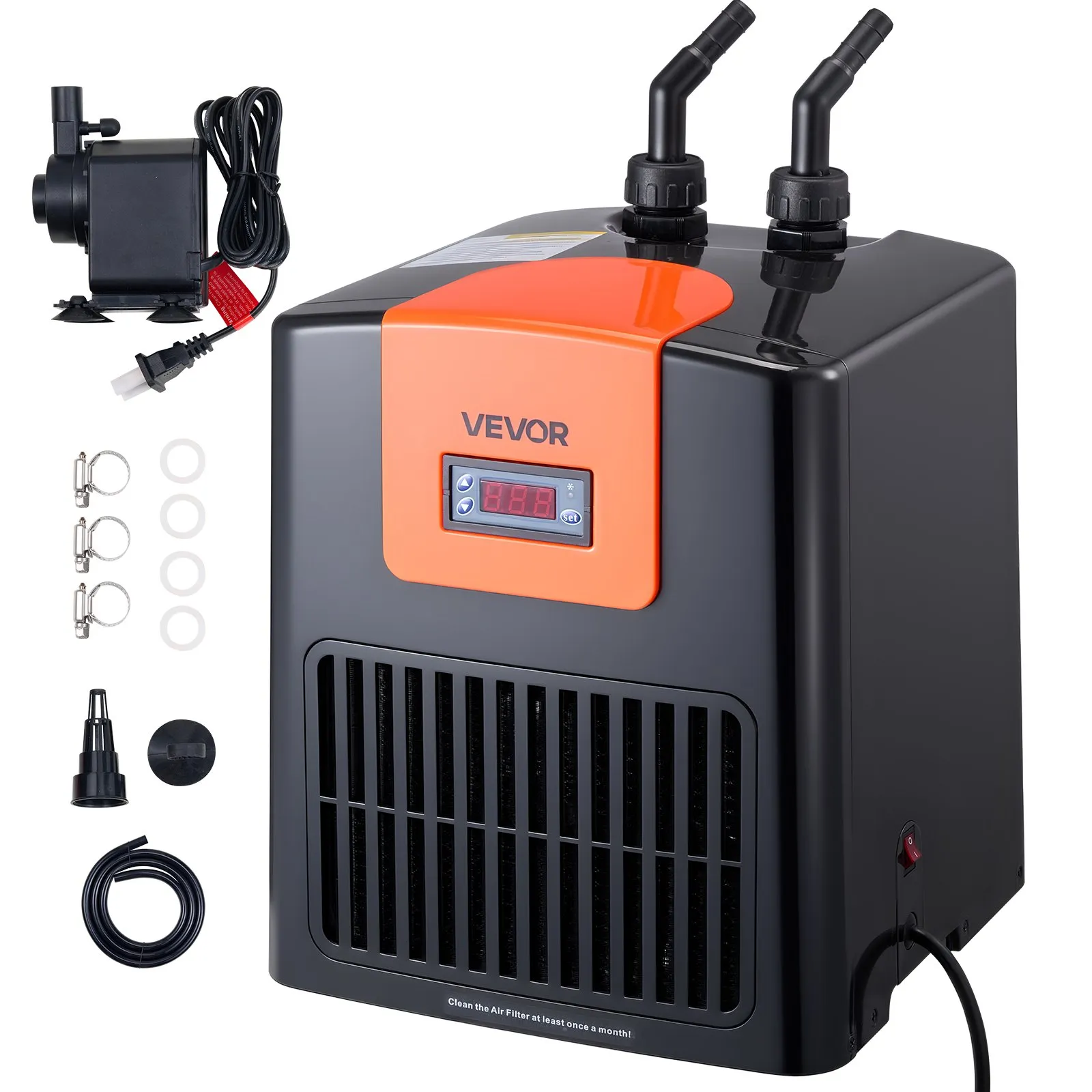
Vevor 52 Gallon, 1/10 HP — $283.90
Ideal for contrast therapy setups using a barrel plunge or stock tank under 52 gallons. Quiet, compact, pump included. Reaches 39°F — cold enough for any protocol.
View on Vevor →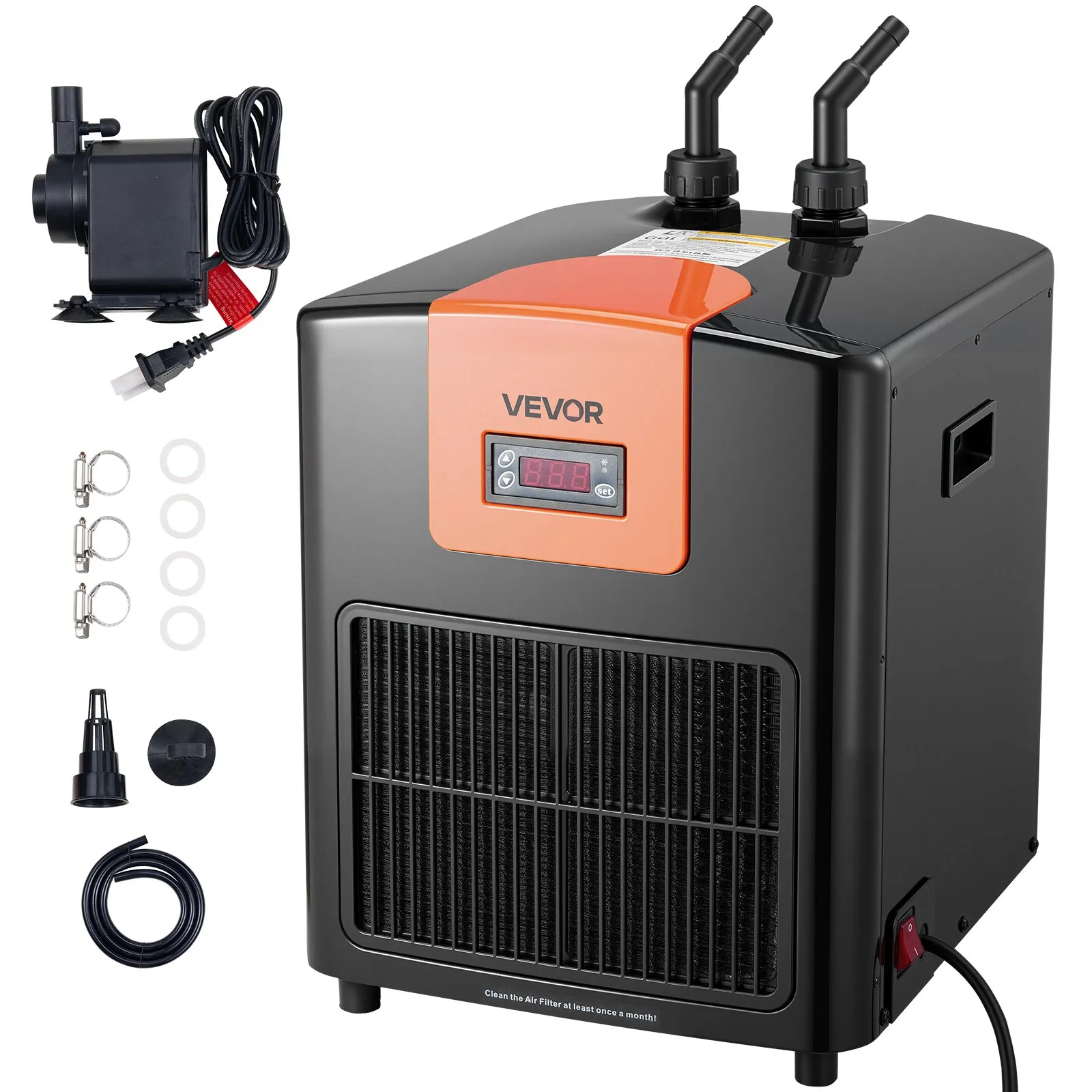
Vevor 110 Gallon, 1/3 HP — $389.90
The best choice for daily contrast therapy practitioners. More headroom in warm conditions, faster recovery between sessions, and handles tubs up to 110 gallons comfortably. If you are serious about the practice, this is the one to buy.
View on Vevor →FAQs
Do you do sauna before or after cold plunge?
The standard protocol is sauna first, then cold plunge. This follows the traditional Nordic and Finnish approach and produces the strongest vasoconstriction contrast. End on cold for energy and alertness; end on warm if relaxation or sleep is your goal.
How long should you do contrast therapy?
A typical session is 45–90 minutes total: 2–4 rounds of 10–20 minutes in the sauna and 2–5 minutes in the cold plunge, with short rest periods between. Beginners should start with 2 rounds and build over several weeks.
How often should you do sauna and cold plunge?
Most serious practitioners do 3–7 sessions per week. Research on sauna health benefits shows dose-dependent improvement up to 4–7 sessions per week. Daily cold plunge is common among athletes. Start with 2–3 times per week and increase as your tolerance builds.
Can you do contrast therapy every day?
Yes — daily contrast therapy is practised widely and there is no evidence of harm from daily use in healthy adults. The main practical consideration is recovery: if you are using cold exposure to support training adaptation, very frequent high-intensity cold exposure may blunt some muscle growth signals. Time cold sessions at least 4–6 hours after strength training if hypertrophy is a priority.
Does contrast therapy help with muscle recovery?
Yes — this is the best-evidenced benefit. Multiple trials show contrast water therapy reduces DOMS at 24 and 48 hours post-exercise compared to passive rest. It is used by elite sports organisations worldwide for exactly this purpose.
What temperature should the cold plunge be for contrast therapy?
50–59°F (10–15°C) is the standard range for contrast therapy cold plunge. Beginners start at 58–60°F. The Vevor chillers on this page reach 39°F, giving you full range. See our full cold plunge temperature guide for a detailed breakdown.
Do I need a special tub for cold plunge with a sauna?
No — any insulated vessel works. Stock tanks ($100–$300 at farm supply stores), barrel plunges, and chest freezer conversions are all used successfully. Connect a Vevor water chiller and the tub maintains your target temperature continuously. See our cold plunge chiller guide for setup details.
Is contrast therapy safe for everyone?
Contrast therapy involves cardiovascular stress and should be approached with caution by people with heart conditions, high blood pressure, Raynaud’s disease, or pregnancy. If you have any cardiovascular health concerns, consult your doctor before beginning a contrast therapy practice. Healthy adults without these conditions tolerate it well.
For keeping your cold plunge water clean and safe between sessions: cold plunge water maintenance guide →